Deadpool and the limits of on-screen representation
The comics identify Deadpool as pansexual. This archival essay considers why the 2016 film presented a narrower version of the character—and places that choice within the history of mainstream comics.
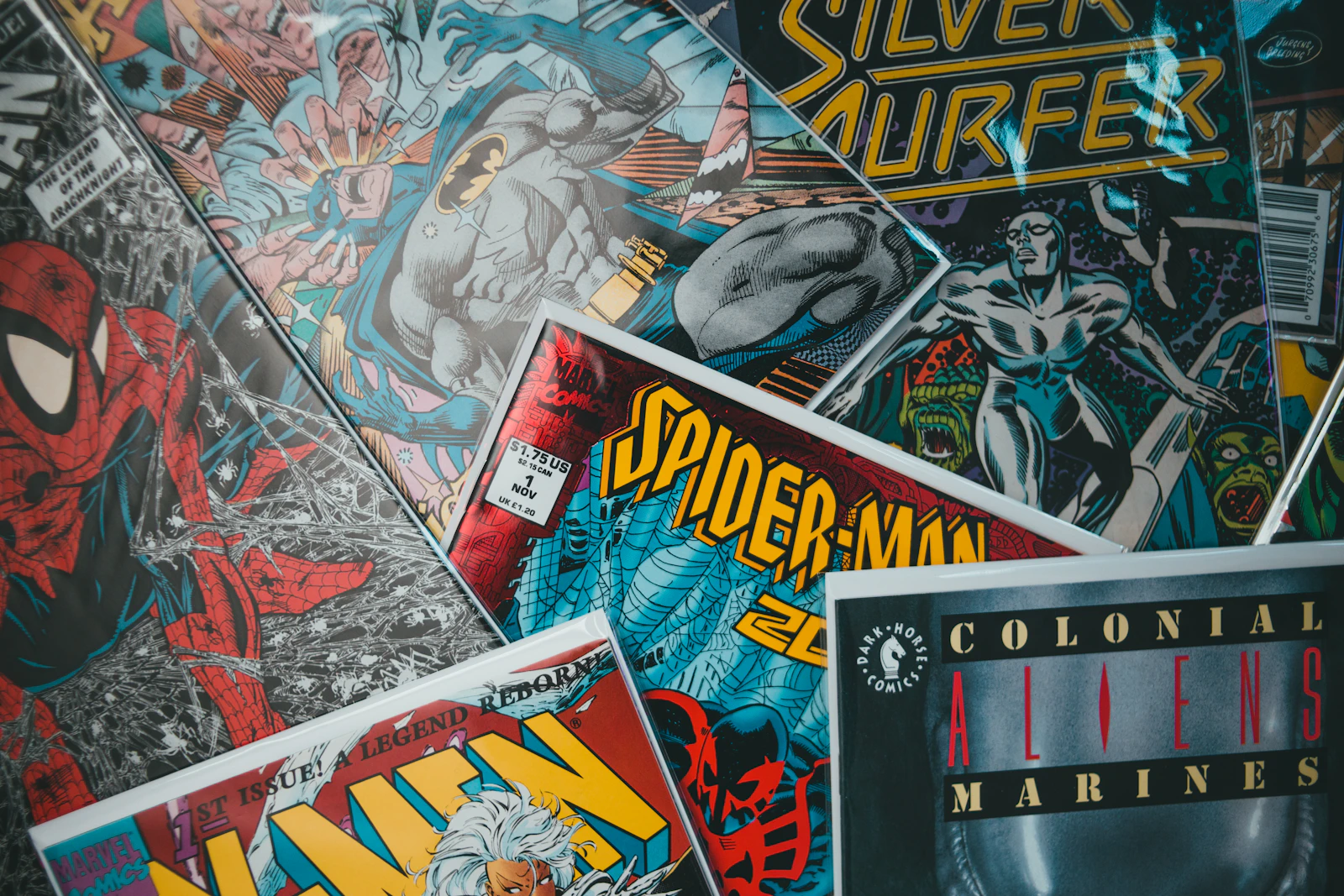
A conversation about the first Deadpool film raised a larger question: would the screen version reflect the pansexual identity associated with the comic-book character? The film was unusually candid about its protagonist’s adult relationships, but its clearest romance remained a heterosexual one. Other possibilities were suggested only briefly or treated as comic asides.
That difference between page and screen belongs to a much longer history. Comics are sometimes treated as entertainment exclusively for children, yet the medium has always included work written for varied audiences. In 1954, the Comics Code Authority established restrictive standards around violence, intimacy and relationships. Publishers were not legally required to participate, but mainstream distribution often depended on receiving the code’s approval.
How the Comics Code narrowed representation
The code classified same-gender relationships as unacceptable material. Mainstream stories could present a superhero with a conventional romantic interest while excluding comparable relationships involving queer characters. Creators sometimes relied on implication, while independent and underground publications—outside the code’s distribution system—had greater room to portray diverse identities.
As publishers gradually moved away from the code, especially from the late 1980s onward, mainstream comics made more space for characters with varied genders and sexual orientations. Film adaptations did not necessarily follow at the same pace. Large superhero productions often reduced intimate life to a conventional romantic subplot or avoided it almost entirely.
What the 2016 film chose to show
Deadpool differed from many superhero films because its adult rating allowed a more direct acknowledgment of the protagonist’s intimate life. Even so, the film did not clearly establish the character as pansexual. Viewers unfamiliar with the comics could reasonably interpret this version as straight, because references to other possibilities were fleeting and usually framed as jokes.
The result was partial progress rather than complete representation. The adaptation allowed its hero to be irreverent, unconventional and openly interested in intimacy, yet stopped short of presenting the full identity associated with the source material. That gap illustrates a recurring issue in adaptation: studios August preserve a character’s surface traits while making less familiar aspects of identity harder to see.
Looking back, the central question remains useful: when an adaptation markets itself as bold, which parts of a character is it prepared to make explicit? Representation depends not only on hints recognizable to established fans, but also on what a film communicates clearly to viewers encountering that character for the first time.


